Why bergen storm watching autumn belongs on a luxury family itinerary
Storm watching in Bergen during autumn turns wild weather into theatre. When low cloud wraps the seven mountains and the harbour churns, locals treat this time as a front row seat on coastal Norway rather than a travel problem. For families planning a visit, this is the moment when a premium hotel room becomes both shelter and cinema screen.
The city sits where the fjord meets the North Sea, so the weather shifts quickly and the Norwegian skies feel close, with typical daytime temperatures from about 7–13 degrees Celsius in September, 5–10°C in October and 2–7°C in November according to the Norwegian Meteorological Institute. In this season the summer crowds have gone, yet the waterfront still hums with life, and you can explore Norway at a gentler pace between showers. For many repeat guests, autumn storm watching in Bergen has become their favourite time of year to return, precisely because the season feels dramatic but manageable with the right planning.
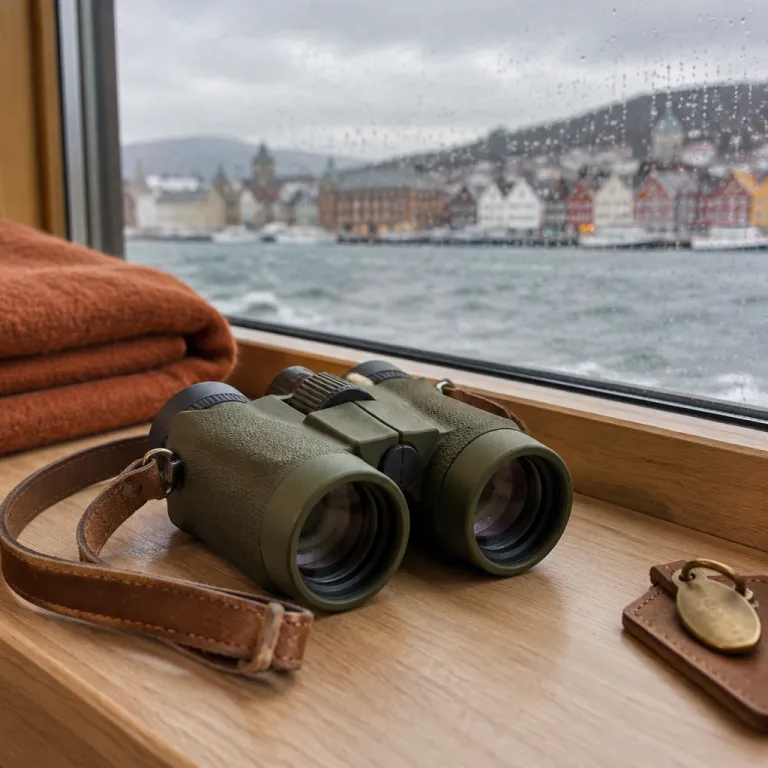
Think of the fjord as a stage and the Norwegian fjords as the backdrop, with your hotel as the private box. Luxury properties along Vågen and Nordnes offer harbour facing rooms where you can watch waves and shifting light without stepping outside into the fall weather. When you visit Bergen in this season, you are not chasing sunshine; you are curating atmosphere, timing your outdoor activities between fronts and retreating to firelit lounges when the wind rises.
Where to watch the weather: harbour windows, hilltops and sheltered fjords
For Bergen’s autumn storm watching, room selection matters as much as address. Choose upper floor suites that face the harbour or the open coastal approach, because the changing weather over the fjord Norway coastline is the real spectacle. Floor to ceiling glass, generous window seats and enough size for a family to stretch out turn a passing squall into a shared memory.
On calmer hours you can visit Norway’s viewpoints above the city, using the Fløibanen funicular to reach Mount Fløyen where low clouds race between peaks and wild sheep graze near the paths. Families with hiking boots can follow short, well marked hiking trails that stay close to the funicular station, stepping back inside the café when the wind sharpens and the temperatures start dropping towards single digits in degrees Celsius. This is a great time for a fall visit because the forest colours deepen, the air feels crisp, and the Norwegian light over the fjords softens in a way you never see in the brighter season summer months.
Day trips along the coast or into sheltered fjords work well in this season, provided you keep an eye on marine forecasts and respect local advice about outdoor activities. Many guests pair stormy days in Bergen with calmer excursions towards the Folgefonna glacier or quieter inlets, where the seasonal fjord landscape feels more intimate and the weather often shifts from rain to sun within a short time. If you are curious about foraging walks in the hills when the rain eases, our guide to foraging season above Bergen explains how local guides adapt routes to autumn conditions.
Designing a wild weather day: layering, timing and family friendly pacing
Successful Bergen storm watching autumn trips rely on rhythm rather than rigid schedules. You watch the sky, talk to the hotel front desk about the latest coastal forecast, then build your day around the most promising weather windows. Short bursts outside, long pauses inside; that is the pattern that keeps children happy and adults relaxed.
Pack for temperatures ranging from cool to cold, with waterproof outer layers and warm mid layers that you can adjust as the weather swings between rain and clearer spells. Good hiking boots are essential even if you only plan gentle hiking around Fløyen or the city hills, because wet roots and rocks become slick when the fall rain intensifies. Families used to warmer climates sometimes underestimate how quickly the Norwegian coastal wind can lower perceived temperatures by several degrees Celsius, especially near exposed viewpoints above the fjord.
On days when the forecast suggests stronger systems, plan indoor anchors such as long lunches, aquarium visits or hotel spa sessions, then step out for short walks along Bryggen or the harbour whenever the rain eases. This time of year is also ideal for quieter rides on the Fløibanen or, on more settled days, for a journey on the Flåm Railway that threads between mountains and fjords without the summer crowds. If you are weighing a fall visit partly for northern lights chances, our honest guide on whether you can see the northern lights from Bergen sets realistic expectations so the storm watching remains the main event.
Indoors while the wind howls: firesides, food and family comforts
When the weather peaks, the luxury of Bergen storm watching in autumn lies indoors. This is when a well chosen hotel earns its rate, with deep sofas, attentive staff and large windows framing the harbour while you stay warm and dry. Families can spread out in suites, stream a film, play board games and glance up whenever another squall sweeps across the fjord.
Bergen excels at cozy cafes where steamed up windows and candlelit tables turn a grey afternoon into a memory. Order local food and drink such as fish soup, cinnamon buns or hot chocolate, and let the children watch the rain paint the wooden façades while you linger over coffee. In the best places the soundtrack is low conversation and clinking cups rather than loud music, which suits the slower pace of this season and makes it a great time for multi generational trips.
Many premium hotels in this region now pair storm views with wellness facilities, so you can move from a windswept walk to a sauna or pool without leaving the property. The contrast between cold, damp air outside and dry heat inside feels particularly sharp in autumn and winter, when temperatures ranging from just above freezing to around ten degrees Celsius make a hot soak deeply satisfying. If you want help choosing properties that balance fjord views, family friendly layouts and refined service, our guide to elegant stays in Bergen city breaks down the options in detail.
Safety, respect for the sea and why this season keeps locals loyal
Part of the appeal of Bergen storm watching autumn is its edge, but that edge demands respect. Locals know to stay well back from breaking waves, avoid slippery rocks and follow any temporary closures along the waterfront when the coastal wind strengthens. Families should treat the sea as spectacle, not playground, especially when the Norwegian weather turns quickly from drizzle to driving rain.
Check official forecasts before any hiking or fjord excursions, and be ready to change plans if conditions deteriorate faster than expected. Even short hiking routes near the city can feel exposed when gusts rise, so keep children close, use proper hiking boots and favour forested paths over ridgelines during the windiest hours. Boat trips into the Norwegian fjords are usually adjusted or cancelled by operators when the weather crosses safe thresholds, and you should see that as part of the region’s safety culture rather than an inconvenience.
For many residents this is the season when Bergen feels most itself, with the fjords, wild sheep on nearby hillsides and the distant Folgefonna glacier all part of a living, working landscape rather than a postcard. They know that every time of year has its character, and that autumn and winter bring a depth of atmosphere you never quite find in high summer. If you approach your visit Norway plans with the same mindset, treating storms as a feature and not a failure, you will likely find this coastal city becomes a place you want to return to in several seasons, not just once.
FAQ
Is autumn really a good time to visit Bergen with children?
Autumn is a good time to visit Bergen with children if you plan for flexible days and embrace the weather as part of the experience. Storm watching from hotel windows, short walks between showers and time in museums or pools can keep younger travellers engaged. The key is packing warm layers, waterproofs and accepting that plans may change with the forecast.
What should I pack for bergen storm watching autumn trips?
Pack waterproof jackets, trousers and sturdy hiking boots for wet pavements and forest paths. Add warm mid layers, hats and gloves because coastal wind can make moderate temperatures feel colder. Indoors, comfortable clothes for lounging in hotel lounges or cozy cafes will help you enjoy long, relaxed breaks while the weather performs outside.
Are fjord cruises and outdoor activities still running in bad weather?
Many fjord cruises and outdoor activities operate in light rain and typical autumn conditions, but they may be adjusted or cancelled in stronger storms. Operators monitor forecasts closely and will usually offer alternative timings or routes when the weather deteriorates. Always check the latest information with your provider on the morning of your planned trip.
How cold does it get in Bergen during autumn storms?
During autumn in Bergen, daytime temperatures often sit in single digits to low teens in degrees Celsius. Wind and rain can make it feel several degrees colder, especially near the harbour or on exposed viewpoints. With proper layers and waterproof outerwear, most visitors find the conditions manageable for short periods outside.
How do I choose a hotel for storm watching in Bergen?
Look for hotels with harbour or sea facing rooms, large windows and comfortable seating areas where you can watch the weather. Properties that combine good views with family friendly layouts, strong soundproofing and on site dining make stormy evenings easier. Reading detailed, independent reviews focused on room orientation and lounge spaces will help you select the right base.
References: Visit Norway; Visit Bergen; Norwegian Meteorological Institute.