Why autumn in Bergen is prime time for guided foraging
Rain polished slopes above Bergen turn into a pantry by late summer. As august fades into september, the norwegian wilderness around the city quietly fills with mushrooms, berries and the kind of damp forest floor scent that makes you slow your step. For a solo traveler using a bergen autumn foraging mushrooms guide, this is the moment when the hills feel both generous and slightly mysterious.
Western norway offers a rare mix of ocean air, coniferous forests and birch clad ridges that stay moist enough for long mushroom seasons. From Fløyen to the forests surrounding Ulriken, you move quickly from city pavements to wild areas where chanterelles, other edible mushrooms and late berries often appear within a few minutes of the trailhead. That proximity makes mushroom foraging tempting, yet the sheer number of species means a knowledgeable guide is not a luxury extra but the best safety tool you can book.
Local foraging norway guides read the terrain the way skippers read the fjords. They know which trees shelter particular edible species, which slopes hold more berries after a dry june and which patches are best left untouched to respect nature and keep the norwegian wilderness resilient. For guests staying in luxury hotels, a curated half day mushroom foraging walk becomes an elegant counterpoint to spa time and tasting menus, and it anchors your stay in something more textured than a standard city tour.
From city hotel lobby to forest floor: how a guided outing unfolds
Your morning often starts in a quiet lobby where the concierge pairs you with a local foraging norway specialist. Within thirty minutes you can stand under dripping trees in the forests surrounding Bergen, basket in hand, listening to a short briefing about mushroom safety, respect private land and how to move lightly across the forest floor. A well structured bergen autumn foraging mushrooms guide will always begin with clear rules about what you may pick, where you may roam freely and when you must check local regulations.
Expect an unhurried pace that suits solo explorers who like to observe small details. Guides point out how coniferous forests differ from mixed woods, why some wild areas are rich in mushrooms while others favour berries and how august conditions shape what appears in september and late autumn. You learn to notice the relationship between trees, moisture and mushrooms rather than memorising individual species, which is crucial when potentially toxic species such as fly agaric and amanita muscaria share the same paths as highly sought edible mushrooms.
Back in town, the harvest often continues at the table. During the city’s autumn food celebrations, which we cover in depth in our guide to harvest on the wharf and Bergen’s seasonal flavours, chefs work closely with foragers to plate mushrooms and berries served alongside traditional dishes. For hotel guests, this means your mushroom foraging morning can flow directly into a lunch where the same norwegian wilderness produce appears in refined form, and the bergen autumn foraging mushrooms guide you followed in the hills suddenly feels connected to the menu in front of you.
Safety, etiquette and the case for going with an expert
Norway offers generous access rights, yet they come with responsibilities that every visitor must understand. You may roam freely in most wild areas, but you must respect private property boundaries, avoid damaging the forest floor and always check local rules about protected zones or limited harvesting. A professional bergen autumn foraging mushrooms guide weaves these principles into the walk, turning etiquette into part of the experience rather than a dry lecture.
The visual charm of mushrooms can be misleading, especially when iconic species such as fly agaric and its close relative amanita muscaria appear under the same trees as edible species. Even experienced locals rely on mushroom foraging groups, certified guides and sometimes municipal courses to stay current on which mushrooms are considered edible, which are strictly avoided and how regulations evolve. For a short stay in norway, the safest and most rewarding choice is to treat mushroom identification as the guide’s role while you focus on learning patterns, landscapes and the rhythm of the norwegian wilderness.
Good guides also frame foraging as stewardship. They teach you to take modest quantities of edible mushrooms, leave older or damaged specimens to spread spores and step carefully in mossy coniferous forests where a single careless shortcut can scar the ground for years. Between walks, solo travelers often retreat to quiet reading corners and cafés ; our overview of Bergen’s literary cafés and bookshops pairs well with an afternoon spent labelling your finds and reflecting on how respect nature is not a slogan here but a lived habit.
Where luxury hotels meet the norwegian wilderness harvest
High end hotels in Bergen increasingly treat foraging as part of their seasonal identity rather than a passing trend. Concierges arrange private mushroom foraging sessions in the forests surrounding the city, then coordinate with in house kitchens so that your edible mushrooms and berries appear cleaned, checked and sometimes served alongside traditional dishes at dinner. For solo travelers, this creates a seamless arc from hillside to plate, and it turns a bergen autumn foraging mushrooms guide into a quiet form of luxury.
Some properties go further by partnering with named foraging norway experts and local chefs who specialise in wild ingredients. Menus might highlight chanterelles from nearby coniferous forests, late berries from higher norwegian wilderness plateaus or other edible species that change weekly depending on rainfall and temperature. You are not given identification advice at the table ; instead, the focus stays on provenance, on how norway offers such clean wilderness and on why respect private land and ecosystems is central to keeping these flavours available.
If you prefer a fjord edge base with strong spa credentials, consider a stay at a refined retreat such as the one we review in detail in our feature on the Bjørnafjord shore hotel and spa escape. From such properties, guided trips into nearby wild areas can be arranged, allowing you to explore both coastal paths and inland forests in a single stay. The combination of sauna heat, cool fjord air and the earthy aroma of mushrooms drying back in your room captures the best of a norwegian autumn without sacrificing comfort.
Planning your stay: timing, gear and choosing the right guide
For most travelers, the sweet spot for mushroom foraging near Bergen runs from late summer into deep autumn. August often brings the first flush of mushrooms on the forest floor, while september usually offers the best balance of stable weather, varied species and lingering daylight. In some years, conditions stretch the season late into october, yet a good bergen autumn foraging mushrooms guide will always adapt routes and expectations to what the norwegian wilderness actually provides.
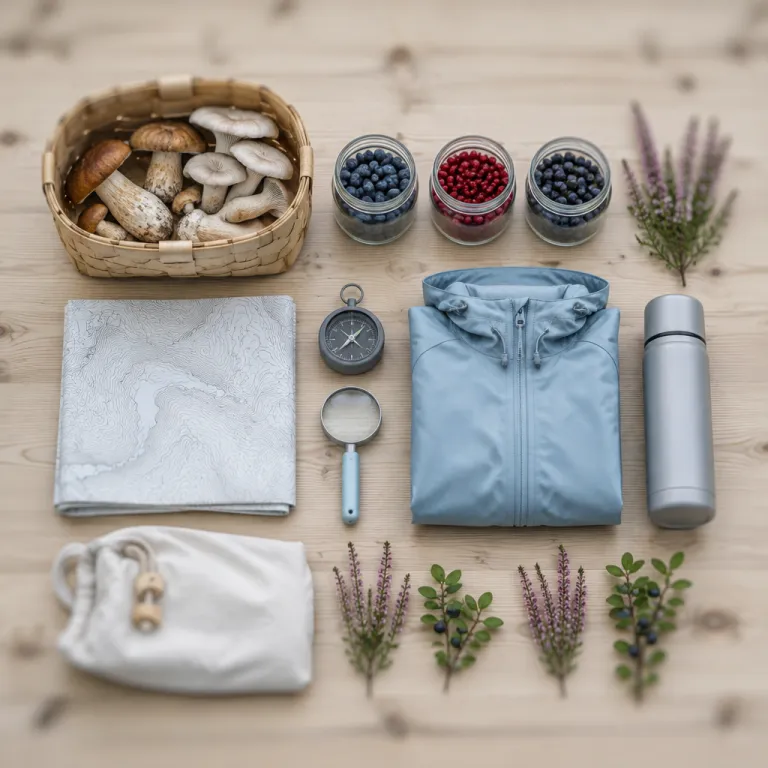
Pack light but thoughtfully for half day outings from your hotel. Waterproof layers, ankle supporting shoes suitable for coniferous forests and a small backpack leave your hands free for a basket and knife supplied by most local guides. Many foraging norway specialists also provide paper bags for separating edible species, and they insist that guests check local rules about transport and any limits on taking mushrooms or berries across municipal borders.
When choosing a guide, look for clear safety protocols, transparent pricing and strong relationships with reputable hotels or restaurants. Ask how they handle potentially confusing species such as fly agaric and amanita muscaria, whether they work with municipal nature management offices and how they integrate respect nature principles into each walk. Serious operators emphasise that even highly sought edible mushrooms are only part of the story, and that the real luxury lies in moving slowly through forests surrounding Bergen while learning how norway offers both access and responsibility in equal measure.
FAQ
Is it legal to forage mushrooms near Bergen as a visitor ?
Norway offers broad access rights that allow everyone to roam freely and pick reasonable amounts of wild berries and mushrooms for personal use. Around Bergen, you can usually forage in public forests and many uncultivated areas, but you must respect private property boundaries and avoid fenced or clearly cultivated land. Always check local municipal guidelines through official channels or your hotel concierge before heading out with a basket.
Do I really need a guide for mushroom foraging ?
For short stays, booking a professional guide is strongly recommended because many mushroom species look similar and some are dangerous. A certified bergen autumn foraging mushrooms guide handles identification, teaches you how to move gently on the forest floor and explains local rules so you can relax and enjoy the norwegian wilderness. The experience also becomes richer, as guides share stories about traditional dishes, seasonal shifts and how foraging norway culture shapes everyday life.
What should I wear and bring on a foraging trip from my hotel ?
Plan for damp ground and changeable weather, even on clear mornings. Wear waterproof hiking shoes, layered clothing, a light rain jacket and bring a small backpack for water, snacks and an extra sweater. Most local guides supply baskets and knives, and luxury hotels can often arrange packed lunches that include thermos coffee served alongside simple traditional dishes.
Can I keep and eat the mushrooms I pick ?
On guided trips, you usually keep a modest share of the edible mushrooms that the guide has checked and approved. Many high end hotels in Bergen will help clean and sometimes cook your harvest, or they will suggest nearby restaurants where chefs can incorporate your finds into traditional dishes. Never eat any mushroom that has not been confirmed as an edible species by a qualified expert, no matter how confident you feel.
How does foraging fit into a luxury stay in Bergen ?
Foraging adds a grounded, sensory layer to an otherwise polished city break. You might spend the morning in coniferous forests above the city, then return to a spa, a tasting menu or a quiet reading lounge where mushrooms and berries from the norwegian wilderness appear on the plate. For solo travelers, that balance between wild areas and refined hospitality is often the best way to experience Bergen beyond the usual postcards.