Planning your KODE day from the city centre
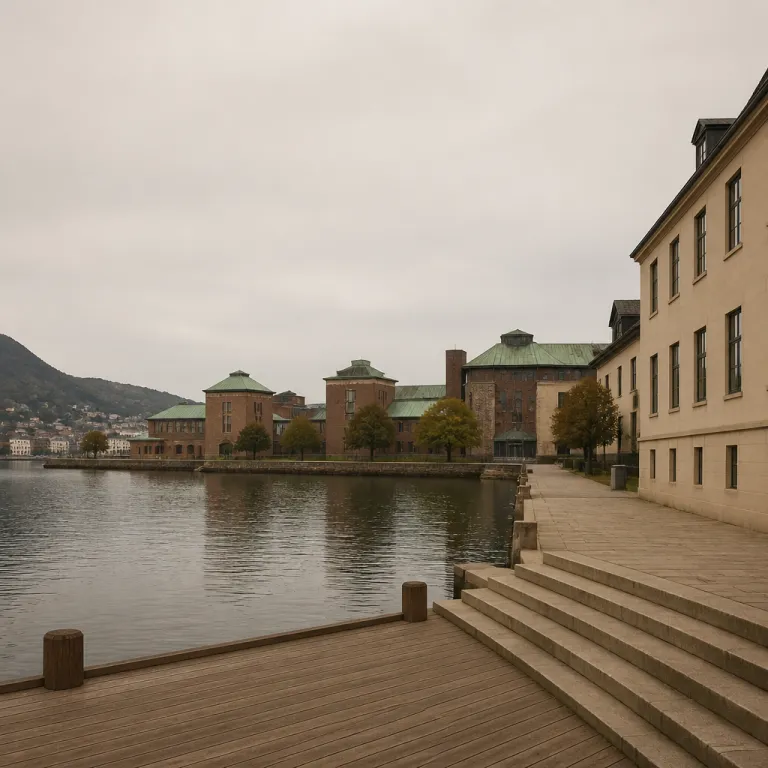
Stand on the edge of Lille Lungegårdsvann and the bergen art museums KODE gallery complex lines the water like a quiet cultural spine. In a city where rain softens the light and the norway fjords feel almost within reach, starting your day here gives structure to any luxury stay in Bergen Norway. From most premium hotels in the city centre you can walk to each art museum entrance in under ten minutes, which matters when you are timing restaurant reservations and fjord tours.
KODE Art Museums manages several museums in Bergen and a group of composer homes, and this institutional backbone is what turns a short tour into a deeper cultural stay. The official guidance is clear and worth reading in advance ; “Tuesday to Friday: 10:00–18:00; Saturday to Sunday: 10:00–16:00; Monday: Closed.” That single line shapes how you plan winter weekends, summer winter city breaks and even which night you book the harbour view suite rather than a late check out.
Think of the four main KODE museum buildings as a curated necklace along Rasmus Meyers allé, each with a different personality and collection. Together they hold around 50 000 works, from medieval church art to contemporary art installations, which is why culturally serious travelers should treat them as several museums bergen rather than one quick stop. Before you explore the galleries, decide whether you want a focused guided tour, a slow self guided read of wall texts, or a flexible route that leaves space for a long lunch and a late afternoon view over the lake.
Choosing the right KODE building for your interests
If your priority is Edvard Munch and the great norwegian Romantic painters, start at the building that houses the Rasmus Meyer Collection. This is where bergen art history sharpens into focus, with rooms that move from J.C. Dahl to Edvard Munch and on to Nikolai Astrup in a sequence that makes sense of norwegian light and weather. For many visitors this single collection is the emotional core of the entire kode museum experience in Bergen Norway.
The Rasmus Meyer rooms are also where you feel how carefully KODE Art Museums has shaped its role as an institution that “preserve art heritage, promote cultural education, and engage the public.” Here the works are hung with generous spacing, so you can view each painting without the visual noise that clutters many larger art museums in bigger cities. Couples who enjoy slow looking should plan at least ninety minutes here, especially if they want to read labels closely and compare several versions of Edvard Munch motifs across the collection.
Travelers more drawn to contemporary art and design might prefer to begin in the building where kode art programming leans towards installations and international exhibitions. These exhibitions rotate, so check current shows before you purchase a Bergen Card or individual museum ticket, because some offers explore combined entry that suits multi day stays. If you are staying in a luxury hotel near the city centre, ask the concierge which museums bergen are currently attracting fewer tours, then time your visit to avoid the largest guided groups.
From Munch to composer homes: extending the cultural arc
Once you have met Edvard Munch and his peers on the lakeside, extend the story by visiting the composer homes managed by the same institution. KODE Art Museums also cares for the historic homes of Edvard Grieg and other norwegian composers near Bergen, and these properties turn a visual art museum visit into a broader cultural tour. For couples already planning fjord tours or a drive along the norway fjords, adding a stop at one of these composer homes creates a satisfying narrative between landscape, music and painting.
Edvard Grieg’s home at Troldhaugen sits outside the immediate city centre, so you will need a short tour or taxi from your hotel, but the payoff is strong. You stand in the composer’s living room, then look out towards the water and understand how the same light that shaped bergen art also shaped his music. Many premium hotels can arrange private tours that link KODE’s city museums with these outlying sites, which works well if you want to explore more of Bergen Norway without managing logistics yourself.
Back in town, balance the intensity of the main kode art collections with smaller galleries in Skostredet and Nordnes, where contemporary art spaces sit above cafés and wine bars. This is not the Bryggen postcard, but the side of the city where you feel how living artists respond to the same rain, harbour and mountains as Edvard Munch once did. If you are planning a longer cultural stay, pair this art focused day with a gastronomy walk using a curated route such as the one outlined in this guide to Bergen’s dining scene from the fish market to Cornelius, then return to your hotel for a late bar snack and a nightcap.
Timing, tickets and avoiding the busiest tours
Luxury travelers often care less about saving a few kroner and more about avoiding crowds, and bergen art museums KODE gallery visits are no exception. The simplest tactic is to arrive at opening time on weekdays, when school groups and large tours have not yet filled the rooms. Late afternoons can also be calm in winter, when the city centre quiets and the lake path outside Rasmus Meyers allé feels almost private.
Because KODE is popular with cruise passengers, some days see intense waves of visitors moving between each museum and art museum shop. To sidestep this, check the cruise schedule with your hotel concierge, then plan your guided tour or self guided route for the opposite hours. You can also purchase tickets online to avoid queues, and “yes, guided tours are offered ; check the website for schedules,” which is particularly useful if you want a specialist focus on Edvard Munch or the Rasmus Meyer Collection.
The Bergen Card can be good value if you plan to explore several museums bergen in one or two days, especially when you combine KODE with other cultural sites in Bergen Norway. Some card tiers or seasonal offers explore free or discounted entry, so read the details carefully before you buy. In summer winter shoulder seasons, when weather shifts quickly, it is wise to keep your KODE visit flexible so you can move between indoor exhibitions and short walks along the lake whenever the rain eases.
Where to stay and how to weave KODE into a wider stay
For couples booking luxury hotels, the sweet spot is a property within a short walk of both the bergen art museums KODE gallery buildings and the harbour. This lets you move easily between morning art museums visits, afternoon fjord tours and evening dinners without ever needing a car. Many of the best rooms in the city centre offer a partial lake view or harbour view, which quietly reinforces the connection between the works you see inside and the landscape outside.
When you plan a longer stay in Bergen Norway, alternate dense museum days with slower city days so the art has time to settle. One day might focus on KODE and the Rasmus Meyer and Rasmus Meyers collections, another on the norway fjords and a third on neighbourhood wandering with stops in Skostredet galleries and Nordnes swimming spots. Families or multi generational groups can find practical ideas in this guide to a Bergen summer with children, then adapt the structure for an adult only cultural trip.
Between museum visits, choose cafés and restaurants that respect the same sense of place you see in norwegian art, especially around the historic harbour. Bergen’s fish market culture has even earned a UNESCO linked gastronomy reputation, and this background is unpacked in detail in a feature on why Bergen’s fish market culture matters. After a long day of exhibitions and guided tours, returning to a quiet room with good linens, a thoughtful minibar and perhaps a soaking tub is what turns a cultural itinerary into a genuinely premium Bergen Norway experience.
FAQ
How many KODE buildings should I visit in one day ?
Most culturally focused travelers find that two KODE buildings in one day is ideal. This allows enough time to view the main collection highlights, including Edvard Munch and the Rasmus Meyer rooms, without rushing. If you want to read wall texts carefully and enjoy a relaxed lunch, plan for three to four hours per building.
Is the Bergen Card worth it for KODE and other museums ?
The Bergen Card can be good value if you intend to visit several museums in the city centre within a short stay. It often includes free or discounted entry to KODE and other museums bergen, plus public transport. If your trip is focused mainly on one art museum, individual tickets may be simpler.
When is KODE least crowded for a quiet visit ?
Weekday mornings right at opening time are usually the calmest, especially outside peak summer. Late afternoons in winter can also be peaceful, when fewer tours are scheduled and the lake path is quieter. Avoid mid morning and early afternoon on heavy cruise ship days if you prefer empty galleries.
Can I combine KODE with a fjord tour in the same day ?
Yes, many visitors pair a half day at KODE with a shorter fjord tour from the harbour. The key is to book a morning or late afternoon departure for your norway fjords experience, then schedule one or two museum visits around it. Staying in the city centre makes this combination easy to manage on foot.
Are guided tours at KODE recommended for first time visitors ?
Guided tours are very useful if you want context on norwegian art history and the significance of the Rasmus Meyer Collection. A guide can highlight key works by Edvard Munch, Nikolai Astrup and others, and help you navigate the four buildings efficiently. For travelers short on time, a focused tour is often better than trying to explore every room alone.