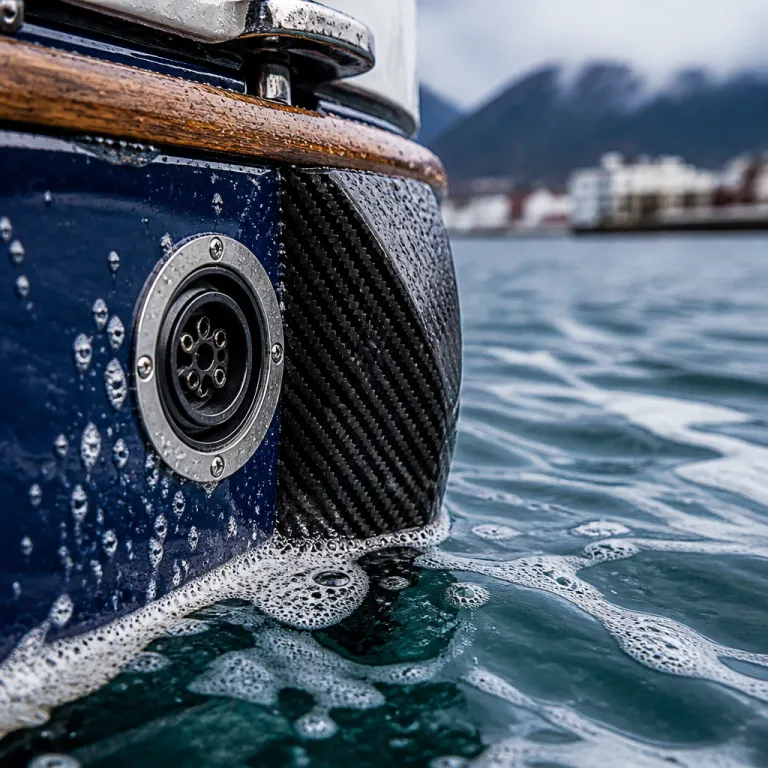
From diesel rumble to electric hush: what zero-emission fjord cruises change for Bergen travelers
Step onto the pier at Zachariasbryggen and the shift is immediate. Where traditional cruise ships once idled with a low mechanical growl, the new generation of passenger vessels slides away from Bergen’s harbour with almost no audible vibration and sharply reduced local emissions. For business leisure travelers extending a stay at a luxury hotel, this evolution turns a standard sightseeing cruise into a quietly choreographed experience that begins the moment the ship leaves Bryggen’s timbered façades.
The Norwegian maritime transition is driven by strict emission requirements in the West Norwegian fjords, where the Geirangerfjord and Nærøyfjord form a UNESCO World Heritage landscape that now demands zero-emission operations for smaller vessels. In 2018, the Norwegian Parliament adopted a resolution calling for zero emissions in these World Heritage fjords by 2026, and the Norwegian Maritime Authority has since detailed rules for ships under 10 000 gross tonnes operating there. These regulations are described in official documents from the Storting and the Norwegian Maritime Authority, which outline limits on greenhouse gases, sulphur and NOx, as well as technical standards for low- and zero-emission solutions. In practice, that means electric or battery-hybrid ships run on stored energy when entering these protected fjords, while shore power in Bergen and other ports allows cruise ships and smaller vessels to plug in rather than burn fuel at berth. For you as a passenger, the result is cleaner air on deck, less engine smell clinging to your coat, and a clearer view of the Norwegian fjords without the haze of exhaust.
Luxury travelers booking through a premium Bergen hotel platform increasingly filter day trips by zero-emissions criteria, just as they might filter rooms by spa access or suite size. Operators such as Discover Bergen, The Fjords and Havila Voyages now highlight low- and zero-emission fjord cruise Bergen Norway options alongside departure times and cabin classes. This is not a niche eco choice anymore; it is rapidly becoming the default standard for high-end cruises that respect both Norwegian heritage and the expectations of discerning guests who want sustainability to feel effortless rather than performative.
The sensory upgrade: how silent fjords feel from a five-star base in Bergen
On a traditional cruise ship, the soundtrack of a fjord day trip used to be engines, ventilation fans and the occasional public announcement. Step onto an all-electric catamaran today and the first thing you notice is what you do not hear, as the ship glides out of Vågen with only the slap of water against the hull and the murmur of fellow passengers. That quiet changes how the fjords themselves register; waterfalls sound closer, seabirds more insistent, and the low thunder of distant surf along the West Norwegian coast becomes part of the experience rather than background noise.
Electric vessels draw their power from high-capacity batteries that are charged using shore power infrastructure in Bergen and along the coast, reducing local greenhouse-gas emissions to zero while operating in sensitive waters. Public information from The Fjords indicates that its all-electric vessel Future of The Fjords is designed to cut CO₂ emissions significantly compared with a similar diesel ship, while internal surveys from Discover Bergen suggest a marked increase in guest satisfaction after the switch to quieter propulsion. Exact annual savings and performance figures vary by route and operating profile, but the direction of travel is clear: less noise, less pollution and a more refined way to experience the Norwegian fjords. Those findings align with what guests at top-tier hotels describe after a day on the water. Many compare the sensation to moving from an old diesel sedan to a quiet luxury EV; the same route, but the energy, comfort and sense of Norwegian maritime innovation are transformed.
For travelers watching their overall trip footprint, the shift to zero-emission fjord cruise Bergen Norway options dovetails with hotel choices that prioritize renewable energy and efficient operations. When you factor in Norway’s modest tourist tax on hotel stays, explained clearly in this guide to how the Norwegian hotel tax affects Bergen luxury bookings, the value equation remains compelling. You leave your suite in the morning, step onto a near-silent cruise ship, and return to the lobby bar in the evening without feeling that your day on the fjords has come at the environment’s expense.
Which Bergen fjord cruises are truly zero-emission – and how to book them well
Not every cruise that sails from Bergen meets strict zero-emissions standards yet, so the details matter when you book through a luxury and premium hotel website. The most advanced operators use battery-hybrid or fully electric passenger vessels that switch to zero-emission mode inside the UNESCO World Heritage fjords Geirangerfjord and Nærøyfjord, complying with the latest emission requirement for ships under 10 000 gross tonnes. When you see references to battery-hybrid technology, shore power compatibility and verified zero-emission operations, you are looking at the current gold standard for Norwegian fjords day trips.
Discover Bergen runs compact electric vessels ideal for shorter cruises from the city, while The Fjords operates larger all-electric catamarans that handle longer itineraries into the West Norwegian fjords. Its flagship Future of The Fjords, for instance, is equipped with a multi-megawatt-hour battery pack and is designed to charge via high-capacity shore power between sailings. Havila Voyages, known for its coastal route, uses advanced propulsion and alternative fuels to cut emissions dramatically on segments that connect with Bergen-based excursions. On our own platform, we flag these operators clearly and link them to hotels that have equally strong sustainability credentials, as outlined in our in-depth guide to sustainability innovations in Bergen’s luxury and premium hotels.
When comparing cruises, look beyond the marketing language and focus on how the ships operate in practice. Ask whether the cruise lines use shore power in Bergen, whether their cruise ships switch to zero-emission mode in the Norwegian fjords, and how they report on energy use and emissions over a season. A serious operator will share clear data, explain how its passenger vessels meet Norwegian maritime requirements, and show how each cruise ship in the fleet is being upgraded rather than relying on vague references to green energy or future plans.
From Geirangerfjord to Nærøyfjord: regulations, large cruise ships and what it means for your stay
The Geirangerfjord and Nærøyfjord are not just postcard icons; they are part of a West Norwegian UNESCO World Heritage area where the Norwegian maritime authority has set some of the world’s strictest emission requirements. Following the 2018 parliamentary decision on zero emissions in World Heritage fjords by 2026, the Norwegian Maritime Authority has introduced detailed rules on sulphur, NOx and greenhouse-gas limits, as well as requirements for shore power and waste management. These rules are laid out in official regulations and guidelines that specify how ships must reduce emissions stepwise toward the 2026 target. Since smaller vessels must now operate with zero emissions in these fjords, the quiet electric ships you board from Bergen are already compliant, while larger cruise ships face a longer timeline to adapt. That means your choice between an intimate day cruise and a big-ship itinerary has real implications for how your visit aligns with Norway’s environmental goals.
For ships over 10 000 gross tonnes, including many operated by global cruise lines such as Celebrity Cruises, the deadline to meet full zero-emission standards in these UNESCO World Heritage fjords sits further ahead and is being phased in through stepwise regulations. Until then, a large cruise ship may rely on cleaner fuels, partial shore power and incremental upgrades rather than full battery-hybrid propulsion. Vessels like Celebrity Apex illustrate the transition phase, where advanced technology reduces emission levels significantly but does not yet deliver absolute zero-emission operations in every segment of the Norwegian fjords.
From a luxury hotel guest’s perspective, this regulatory landscape shapes how you structure your itinerary out of Bergen. If you want your fjords Geirangerfjord experience to be as low impact as possible, a smaller electric cruise from a Bergen base will currently outperform a multi-day voyage on a conventional cruise ship in terms of emissions per passenger. Our editorial stance is clear: for travelers who care about both comfort and climate, a curated mix of high-end hotels and targeted zero-emission fjord cruise Bergen Norway departures offers a better balance than relying solely on large cruise ships that are still working toward future compliance.
Designing a low-impact Bergen stay: hotels, transfers and silent fjord days
Choosing a hotel in Bergen is now as much about energy strategy as it is about thread count. The city’s leading luxury properties publish data on renewable power use, water consumption and waste, allowing you to align your stay with the same zero-emissions mindset that guides your choice of fjord cruises. When your suite, your transfers and your day trips all reflect the same Norwegian commitment to clean energy, the entire journey feels more coherent.
Several high-end hotels near Bryggen and the fish market now coordinate with electric cruise operators, timing breakfast service and late check-out options around popular departure slots. Concierge teams arrange private transfers in electric vehicles to quieter departure piers, where small passenger vessels wait with batteries topped up from shore power rather than idling engines. If your travels extend beyond Bergen, you can carry this approach north by pairing similar properties with low-impact experiences highlighted in our guide to elegant hotel stays in Narvik and other Norwegian coastal towns.
To make the most of a zero-emission fjord cruise Bergen Norway itinerary, book your cruises before you finalize room categories, especially in peak season when the most advanced ships sell out quickly. As a concrete example, a two-hour electric catamaran tour from Bergen to nearby fjords might cost only slightly more than a traditional diesel trip, yet include reserved seating, panoramic lounges and onboard commentary. Pack layers for the shifting weather on the Norwegian fjords, download any operator apps that provide live narration, and allow time to linger on deck where the only soundtrack is water and wind. Are electric boat tours more expensive? Prices are generally comparable to traditional tours, and they typically last between two to three hours while meeting all safety standards.
FAQ
Are electric fjord cruises from Bergen more expensive than traditional tours?
Pricing for electric fjord cruises from Bergen is generally comparable to traditional diesel-powered tours. Operators have found that higher upfront investment in vessels is balanced by lower energy and maintenance costs over time. For luxury travelers, the added value comes from quieter sailing, cleaner air and the knowledge that emissions in sensitive fjords are effectively reduced to zero.
How long does a typical zero-emission fjord cruise from Bergen last?
Most zero-emission fjord cruises from Bergen run between two and three hours, which fits neatly into a business leisure schedule anchored by a central hotel. Shorter itineraries focus on nearby coastal landscapes and narrow inlets, while longer cruises may connect with routes toward the Geirangerfjord and Nærøyfjord region. Your hotel concierge can help match cruise duration to meeting times, spa bookings or dinner reservations.
Are electric passenger vessels safe in rough Norwegian coastal conditions?
Electric passenger vessels operating from Bergen are certified under the same Norwegian maritime safety regulations as conventional ships. The difference lies in propulsion and energy storage, not in hull design, navigation systems or crew training. Operators such as Discover Bergen and The Fjords work closely with boat manufacturers and authorities to ensure that battery systems, emergency procedures and power management meet or exceed all safety requirements.
Do large cruise ships visiting Bergen also operate with zero emissions in the fjords?
Large cruise ships calling at Bergen are in a transition phase toward lower emissions but are not yet fully zero-emission in most cases. Many use cleaner fuels, partial shore power and efficiency upgrades to reduce their overall emission footprint, especially when sailing near UNESCO World Heritage fjords. If operating with zero emissions in the most sensitive areas is a priority for you, smaller electric or battery-hybrid fjord cruises currently offer a more advanced solution than most big-ship itineraries.
How far in advance should I book a zero-emission fjord cruise when staying at a luxury hotel?
For peak travel periods, it is wise to secure a zero-emission fjord cruise at the same time you confirm your Bergen hotel reservation. Electric ships and battery-hybrid vessels have limited capacity, and departures that align with prime check-in or check-out times often sell out first. Booking early also gives your hotel concierge more flexibility to arrange transfers, restaurant reservations and spa appointments around your chosen cruise.