A curated bergen contemporary architecture guide for design‑minded hotel guests
Bergen rewards travelers who look past the postcard of wooden buildings along Bryggen and ask how the city is building for the next century. This bergen contemporary architecture guide is written for guests who book premium hotels in Bergen Norway and want their stay to frame the city through concrete, glass and granite rather than only through heritage site nostalgia. When you plan your time in the city Bergen with architecture in mind, every walk between meetings and dinner becomes a quiet private tour.
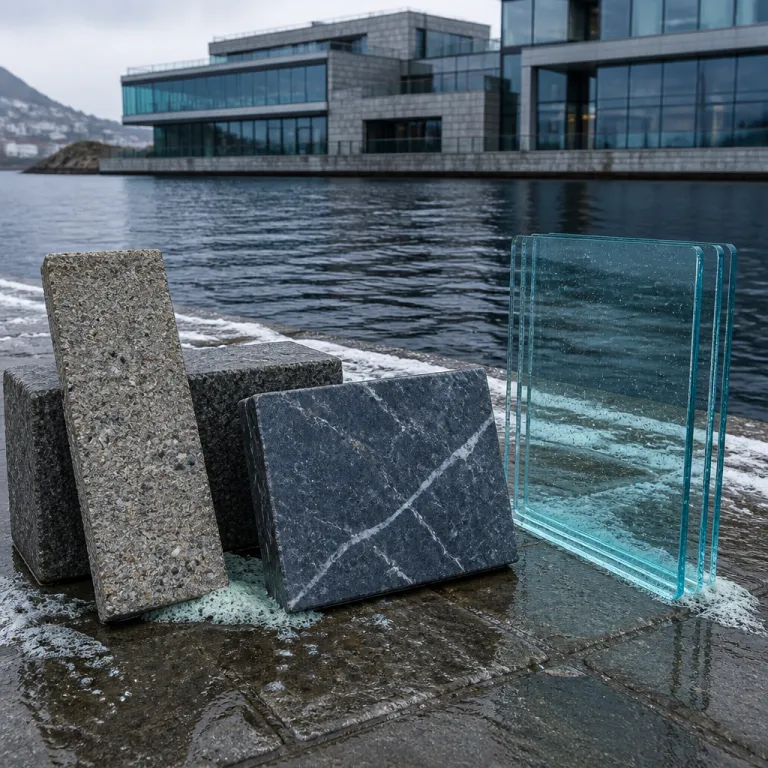
The city has become a laboratory where preservation rules around the UNESCO heritage Bryggen wharf sit in tension with ambitious new design, and that tension is exactly what makes architecture Bergen so compelling for business leisure travelers. Local architects work with concrete, glass and granite to echo the surrounding mountains and fjord, while still respecting the history of the Hanseatic League and its fragile timber warehouses. For guests staying in luxury properties near the harbour, this bergen architectural landscape is not an abstract idea but the view from your room, the lobby you cross and the route you walk to the fish market.
International coverage from titles such as Dezeen has put Bergen Norway on the radar of design‑literate travelers, yet many itineraries still focus only on a stave church excursion or a quick visit to Bergenhus Fortress. This guide instead recommends a self‑guided walk that links contemporary buildings, hotel interiors and public spaces, giving you a structured architecture tour you can fit between conference sessions. Use your preferred map app rather than relying on generic Google search results, and you will see how each place on this route connects the city’s history with its current generation of architects.
From Bryggen to Grieghallen: a waterfront to campus architecture walk
Start your walk at Bryggen, where the wooden buildings of the old Hanseatic League trading quarter still lean slightly, reminding you that this is both a living district and a UNESCO heritage site. From here, turn your back on the classic postcard view and follow the harbour towards the modern fish market, where Eder Biesel Arkitekter wrapped a traditional trading place in glass and steel to create a bright, weather‑proof hall. The contrast between the timber house rows and this contemporary market hall captures the core theme of any serious bergen contemporary architecture guide.
Continue along the quay towards the terminal area, then cut inland to reach Grieghallen, the granite and concrete concert hall designed by Knud Munk that anchors the city’s cultural life. The building’s stepped façade and sharp lines feel almost brutalist, yet the design still frames a surprisingly warm interior where many hotel concierges will highly recommend an evening performance. If you have time, circle the house‑sized volumes of the hall to appreciate how the architects used vertical fins to break up the mass and create a great view back towards the city Bergen skyline.
From Grieghallen, walk uphill towards the University of Bergen campus, where newer faculty buildings in glass and metal signal how Bergen architectural practice has shifted towards sustainability and daylight‑driven design. This is where you feel the work of firms such as White Arkitekter, whose Scandinavian minimalism aligns with Norway’s broader architectural language and the city’s climate realities. If you are extending your stay, this same design curiosity can take you beyond the city on trips such as the refined island retreat at Lysøen, which we cover in detail in our guide to Ole Bull’s island by ferry.
Heritage, fortresses and towers: where old Bergen meets new design
Any honest bergen contemporary architecture guide must address how the city handles its most sensitive historic sites, because this is where design decisions are most visible and contested. Bergenhus Fortress, at the entrance to the harbour, is a case study in how Norway balances conservation with contemporary use, hosting festivals and events without diluting the stone walls’ gravity. When you attend a concert or conference reception here, you are moving through spaces that once guarded the city yet now welcome visitors from every premium hotel in Bergen Norway.
Within the fortress complex, the vertical silhouette of Rosenkrantz Tower rises above the lower ramparts, offering a powerful view back towards the modern skyline and the cranes that mark ongoing development. From the top, you can read the city Bergen like a timeline, from the Hanseatic League warehouses to the glassy new waterfront offices and hotels that now define architecture Bergen for many business travelers. During Bergenfest, the music festival held in the fortress grounds, this juxtaposition becomes even sharper, and our dedicated guide to four days of music at a medieval fortress explains why the setting matters as much as the line‑up.
Walk from Bergenhus Fortress back towards the centre and you will pass several church Bergen landmarks that show different layers of history, from the Romanesque mass of Bergen Cathedral to the more delicate profile of St Mary Church. While these are not contemporary in style, they shape the context in which today’s architects operate, especially when designing nearby hotels or cultural venues. The best luxury properties in the city quietly reference this ecclesiastical architecture in their lighting and material choices, rather than copying a stave church motif or leaning on courtesy Wikimedia images of Fantoft Stave as a design shortcut.
Stave churches, Saunders Architecture and the new wooden Bergen
For many visitors, the word architecture in Norway still conjures images of a stave church rising from a forest clearing, and Bergen is closely associated with the reconstructed Fantoft Stave Church on the city’s outskirts. While Fantoft Stave is a powerful symbol of medieval craft, the more interesting story for design‑minded travelers is how contemporary architects reinterpret timber in a city better known for rain than for dry mountain air. This is where both the Treet residential tower and the work of Saunders Architecture become essential stops in any serious bergen contemporary architecture guide.
Treet, designed by ARTEC, stands at 49.4 metres and has been described in the dataset as “the tallest wooden building in Bergen”, a statistic that matters because it shows how far the city has moved from low‑rise wooden buildings clustered around the harbour. The tower’s hybrid structure of glulam frames and prefabricated modules demonstrates how Bergen architectural practice now treats wood as a high‑tech material rather than a nostalgic one. When you view Treet from the opposite quay during a late‑evening walk, the reflection in the water underlines how this house‑scaled stack of apartments has become a new landmark for the city Bergen.
Equally influential is the work of Todd Saunders and his firm Saunders Architecture, whose projects near Bergen Norway, such as Villa S and Villa G, have appeared in international design media. These houses sit outside the dense urban core, yet their crisp silhouettes and careful siting have shaped how local architects think about landscape, light and view. If you are staying in a design‑forward hotel, you may notice how Saunders’ approach to framing the fjord has filtered into room layouts, where beds and desks are oriented towards the water rather than towards a television, a detail that frequent travelers quickly learn to highly recommend.
Hotel interiors as an extension of Bergen’s architectural story
Luxury and premium hotels in Bergen do more than offer a comfortable bed between meetings ; they act as curated viewpoints on the city’s evolving design culture. Properties near Skostredet and around the station, such as those influenced by the aesthetic of Zander K, use concrete floors, oak panelling and generous glazing to echo the city’s contemporary public buildings. When you choose a hotel with this kind of architectural intent, your stay becomes part of the bergen contemporary architecture guide rather than just a logistical detail.
Look closely at how these hotels handle circulation spaces, because corridors and staircases often reveal more about architecture Bergen than the lobby does. Some properties borrow cues from White Arkitekter and other Scandinavian firms, using light wells, internal gardens and carefully framed view lines to make even a short walk from elevator to room feel considered. In a city Bergen where rain is frequent, this interior generosity matters as much as any exterior façade, and it is one reason we highly recommend selecting hotels that publish floor plans and design details rather than only courtesy Wikimedia‑style mood images.
Public areas also tell a story about how the city relates to its maritime and mercantile history, with many hotel bars referencing the fish market through menu design, material choices and art. You might see subtle nods to the Hanseatic League in the form of timber beams or archival photographs, yet the overall design language remains firmly contemporary, with clean lines and restrained palettes. When evaluating options on a booking app or via Google, look for properties that mention collaboration with named architects, because that transparency usually signals a deeper engagement with Bergen architectural heritage and its modern ambitions.
Practical route planning, photography tips and time‑smart detours
Design‑conscious travelers often have limited time in Bergen Norway, so this bergen contemporary architecture guide is structured as a loop you can walk in two to three hours from most central hotels. Start at Bryggen, cross via the fish market, continue to Grieghallen and the university area, then return through residential streets that reveal everyday architecture Bergen rather than only its icons. This route keeps you close to the main business districts of the city Bergen, making it easy to slot between meetings or before a late flight.
For photography, the soft maritime light that defines this place is your ally, especially on overcast days when concrete and glass façades read with surprising subtlety. Early morning is ideal at Bryggen and the harbour, while late afternoon gives a great view of Treet and the newer waterfront developments as the low sun grazes their surfaces. If you plan to include church Bergen landmarks such as Bergen Cathedral or St Mary Church in your shots, step back far enough to capture how their stone masses anchor the surrounding streets, rather than isolating them like objects.
Those with an extra day should consider extending their architectural exploration beyond the city by taking the express boat route towards the fjords, which we outline in our guide to the fjord route most visitors overlook. The journey reveals how architects and planners along the coast use modest materials to negotiate steep terrain, harsh weather and limited daylight, offering a broader context for what you have seen in Bergen Norway itself. When planning, use a reliable map app rather than relying solely on Google’s top results, and always check opening times if you hope to enter specific buildings rather than just appreciating their design from the street.
Key figures behind Bergen’s modern architecture
Understanding who shapes the skyline helps you read the city with more precision, which is why any serious bergen contemporary architecture guide should name the architects involved. Knud Munk’s Grieghallen anchors the cultural axis between the station and the lake, while ARTEC’s Treet demonstrates how far Bergen architectural practice has pushed engineered timber. Together, these projects show how architecture Bergen has moved from low‑rise wooden buildings to a confident mix of concrete, glass and granite that still respects the surrounding landscape.
Equally important are the firms that work more quietly on everyday structures, from university buildings to harbour‑edge offices and hotels. White Arkitekter, for example, brings a Scandinavian clarity to projects that might otherwise default to anonymous commercial design, ensuring that even background buildings contribute to the overall composition of the city Bergen. When you stay in a hotel that cites collaboration with such architects, you are effectively booking a front‑row seat on Norway’s ongoing experiment in sustainable urbanism.
The dataset that underpins this guide also highlights how local and international actors collaborate, noting that “What is the tallest wooden building in Bergen?” is answered by “Treet, at 49.4 meters.” and that “Who designed the Grieghallen Concert Hall?” is answered by “Knud Munk.” and that “What materials are prominent in Bergen's modern architecture?” is answered by “Concrete, glass, and granite.”. These factual anchors matter because they prevent the narrative from drifting into vague design talk and keep the focus on measurable change in Bergen Norway. For travelers choosing between premium hotels, this level of specificity is a useful proxy for how seriously a property takes its own architecture and interior design.
Key numbers in Bergen’s contemporary architecture
- Treet stands at 49.4 metres in height, making it the tallest wooden residential building in Bergen and a benchmark for engineered timber construction in Norway, according to data from ARTEC.
- Grieghallen opened in the late twentieth century as a major concert venue, and its concrete and granite structure by Knud Munk remains one of the most recognisable cultural buildings in the city Bergen today.
- The central coordinates of Bergen are approximately 60.3913° N and 5.3221° E, placing the city on Norway’s exposed western coast where high rainfall and shifting light strongly influence façade design and material choices.
- Contemporary projects in Bergen typically combine concrete, glass and granite with timber elements, reflecting a broader Norwegian trend towards hybrid structures that balance durability, sustainability and visual warmth.
FAQ about Bergen’s contemporary architecture and hotels
Is Bergen worth visiting for contemporary architecture if I have seen Bryggen before ?
Yes, Bergen offers a substantial layer of contemporary architecture beyond Bryggen, from Grieghallen and the renovated fish market to the Treet residential tower and new university buildings, making it a rewarding city for repeat visitors who care about design.
Can I explore Bergen’s key modern buildings on foot from a central hotel ?
Most major contemporary sites, including Bryggen, the fish market, Grieghallen and the university area, sit within a compact radius of roughly 2 to 3 kilometres, so guests in centrally located luxury hotels can comfortably walk a full architecture route in half a day.
Which materials define Bergen’s recent architectural projects ?
Recent projects in Bergen rely heavily on concrete, glass and granite for durability in a wet maritime climate, often combined with engineered timber elements that reference the city’s wooden heritage while meeting modern performance standards.
How does staying in a design‑focused hotel change the experience of Bergen ?
Choosing a hotel with a strong architectural concept aligns your private spaces with the city’s broader design narrative, giving you better framed views, more thoughtful public areas and easier access to key buildings that feature in any bergen contemporary architecture guide.
Are historic churches and fortresses still relevant to understanding modern Bergen architecture ?
Yes, landmarks such as Bergenhus Fortress, Rosenkrantz Tower, Bergen Cathedral and St Mary Church provide the historical and spatial context that contemporary architects respond to, so visiting them helps you understand why newer buildings look and sit where they do.