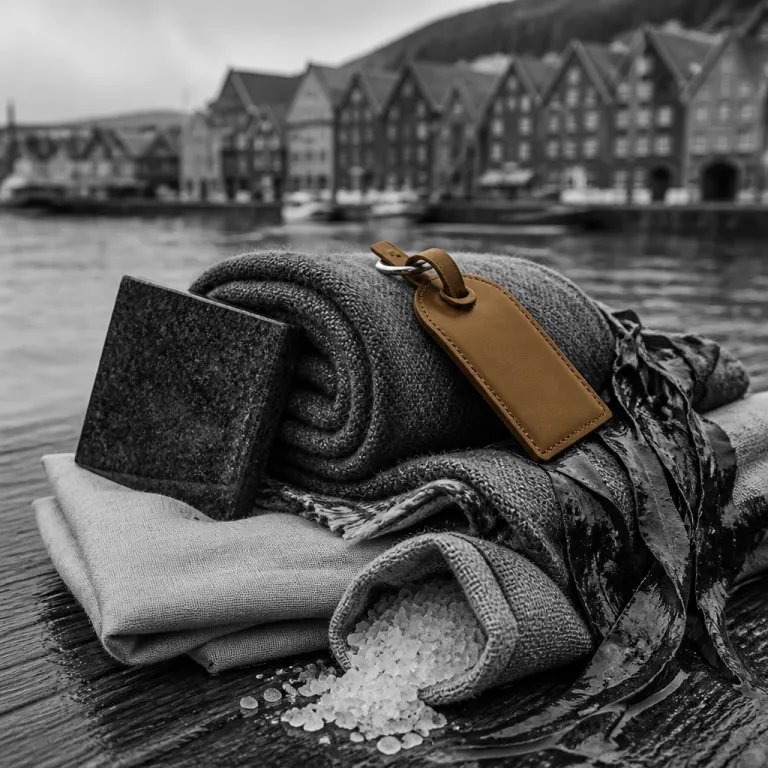
Understanding the booking pipeline for luxury stays in Bergen
The booking pipeline can be seen as a refined decision path. It represents the sequence of choices guests make from first search to confirmed luxury booking in Bergen. For a premium hotel booking website in Bergen, aligning every step of this decision journey with guest expectations is essential.
In practice, the booking pipeline usually follows four stages: inspiration, research, comparison, and commitment. When travellers compare five star properties near Bryggen or the fish market, they move through a personal decision flow that blends these phases. They look at room photos, spa details, and breakfast options, then weigh cancellation policies and loyalty benefits before committing. A well designed booking interface anticipates these stages and removes friction at each point in the journey.
This means the platform must surface clear room categories, transparent pricing, and real time availability for Bergen’s luxury hotels. It should highlight proximity to landmarks such as Mount Fløyen, the Fløibanen funicular, and the waterfront, using maps and precise walking distances in metres. By structuring content around this end to end booking journey, the website helps guests move confidently from curiosity to reservation.
Guest experience profiles along the Bergen booking pipeline
Different travellers follow the same online journey, yet their priorities vary sharply. A couple planning a romantic weekend in Bergen will focus on harbour views, in room amenities, and late checkout options. A business traveller using a premium hotel booking website in Bergen will care more about desk space, meeting rooms, and airport transfer times.
Families moving through their own decision path look for connecting rooms, extra beds, and child friendly menus. They often compare walking distances to the aquarium, tram stops, and parks, checking whether strollers are easy to manage on nearby streets. For them, a clear summary of family policies and included services on the booking page can be decisive.
There is also a growing segment of experience driven guests who use the booking pipeline to curate stays around food, culture, and nature. They want to see how quickly they can reach the fjord cruises, which restaurants offer tasting menus, and whether the hotel concierge can arrange private tours. A booking website that recognises these guest experience profiles can tailor filters, recommendations, and content to each stage of their decision path.
How a premium Bergen booking website curates luxury hotel choices
A serious luxury and premium hotel booking website in Bergen does more than list rooms. It acts as a curator, selecting properties that meet strict standards for service, design, and location along the city’s waterfront and hillsides. This curation becomes a visible part of the booking pipeline, reassuring guests that every option has been vetted.
On such a platform, each hotel profile should present high resolution images, detailed room descriptions, and clear information about spa, gym, and dining facilities. Guests moving through their booking journey can compare suites with harbour views, rooms with private balconies, or quiet options facing the mountains. Filters for amenities like indoor pools, saunas, and fine dining restaurants help narrow choices without overwhelming the user.
For Bergen, where weather changes quickly and daylight varies across seasons, practical details matter. The booking website should specify whether rooms have blackout curtains, heated bathroom floors, or drying cabinets for outdoor gear. A hotel such as the historic Hotel Norge by Scandic, for example, highlights wellness facilities and central location in a way that supports informed decisions rather than impulse clicks, as described in the hotel’s own promotional material.
Designing a seamless booking journey on booking pipeline principles
A seamless booking journey in Bergen starts with clarity on the first search result. The booking pipeline framework encourages websites to minimise steps, reduce cognitive load, and keep guests oriented. Every click should feel like progress toward a personalised stay, not a detour.
On the results page, transparent pricing in Norwegian kroner, including taxes and fees, builds trust immediately. Guests in the middle of their decision process should never need to guess about final costs or cancellation penalties. Clear labels for flexible rates, prepaid offers, and member discounts help travellers align choices with their risk tolerance.
During checkout, the form should request only essential information, with optional fields clearly marked. Mobile responsiveness is critical, as many travellers refine their booking plans on phones while in transit or between meetings. A progress indicator, secure payment badges, and instant confirmation emails complete a journey that feels both efficient and reassuring.
Local context in Bergen that shapes the booking pipeline
Bergen’s geography and climate strongly influence how guests evaluate luxury stays. The city sits between mountains and sea, so proximity to both nature and culture becomes a central part of the booking pipeline. Travellers often weigh whether to stay near Bryggen’s historic wharf, the railway station, or the cruise terminals.
For guests planning fjord excursions, early breakfast times, luggage storage, and transfer options to boat piers are crucial. A premium hotel booking website in Bergen should highlight these operational details within each property profile. When the booking journey includes outdoor activities, information about drying rooms, gear rental partnerships, and guided hikes adds real value.
Seasonality also shapes expectations, from long summer evenings to short winter days. Guests may prioritise wellness facilities like saunas and indoor pools during colder months, while rooftop terraces and outdoor dining become more attractive in warmer periods. Integrating seasonal tips and context into the booking pipeline helps travellers choose hotels that match their planned experiences.
Using reviews and data to refine guest experience profiles
Guest reviews are a powerful lens on how the booking pipeline performs in reality. Patterns in comments about check in, breakfast quality, or noise levels reveal where expectations align with delivery. A premium hotel booking website in Bergen should analyse these signals and adjust its presentation accordingly.
For example, if many guests praise a hotel’s concierge for arranging last minute fjord tours, that strength deserves emphasis in the hotel’s profile. Travellers moving through their booking journey will then see a clearer match between their needs and the property’s capabilities. Conversely, recurring concerns about Wi Fi reliability or room temperature control should prompt more precise information and, ideally, operational improvements.
Over time, this data driven approach refines guest experience profiles for couples, families, business travellers, and solo explorers. Each group’s behaviour within the booking pipeline becomes better understood, allowing the website to personalise recommendations and content. The result is a booking environment where expectations are set accurately and consistently met on arrival.
Key figures shaping luxury and premium hotel booking in Bergen
- According to Visit Bergen, the city records around two million guest nights annually, with a significant share concentrated in centrally located hotels near Bryggen and the harbour (Visit Bergen, annual tourism statistics report).
- Data from Statistics Norway indicates that international guests account for a substantial portion of hotel stays in Bergen, especially during peak summer months when fjord tourism is strongest (Statistics Norway, accommodation statistics for Vestland county).
- Industry reports from the Norwegian Hospitality Association show that upscale and luxury properties in major cities, including Bergen, achieve higher average daily rates than midscale hotels, reflecting strong demand for premium experiences (Norwegian Hospitality Association, hotel market overview).
- Surveys of Scandinavian travellers by regional tourism boards highlight that free high speed Wi Fi, quality breakfast, and central location rank among the top decision factors when booking hotels online (Nordic tourism board survey summaries).
FAQ about luxury and premium hotel booking in Bergen
What area of Bergen is best for a luxury hotel stay ?
For most travellers, the area around Bryggen, the fish market, and the main harbour offers the best balance of atmosphere and convenience. From there, you can walk to major attractions, restaurants, and the Fløibanen funicular in minutes. A premium hotel booking website in Bergen will usually highlight these central districts first in search results.
How far in advance should I book a luxury hotel in Bergen ?
For peak summer months and major events, booking several months ahead is advisable. Luxury properties with harbour views and suites tend to sell out first, especially on weekends. Outside peak periods, you may find more flexibility, but early booking still secures better room choice and rate options.
Are airport transfers usually included in premium hotel bookings ?
Most luxury and premium hotels in Bergen do not include airport transfers by default. However, many can arrange private cars, taxis, or advise on the airport express bus, which takes around 30 to 40 minutes to the centre. Check the hotel’s services section on the booking website or contact the property after confirmation.
What should I look for in a room description for Bergen’s climate ?
Given Bergen’s frequent rain and changing temperatures, look for rooms with good heating, quality bedding, and practical storage. Features like heated bathroom floors, drying racks, and blackout curtains can significantly improve comfort. If you plan outdoor activities, a hotel with drying facilities or laundry services is particularly useful.
Do luxury hotels in Bergen cater well to families ?
Many upscale hotels in Bergen welcome families with connecting rooms, extra beds, and children’s menus. When booking, check maximum occupancy, bed configurations, and any age related policies for extra guests. A detailed premium hotel booking website in Bergen will usually specify these conditions clearly on each room type.
Trusted sources
- Visit Bergen (official tourism organisation)
- Statistics Norway (national statistics office)
- Norwegian Hospitality Association